Buy københavn.eu ?
We are moving the project
københavn.eu .
Are you interested in purchasing the domain
københavn.eu ?
domain@kv-gmbh.de · 0541-91531010
Buy københavn.eu ?
What does Cuban cuisine and eating culture look like?
Cuban cuisine is a fusion of Spanish, African, and Caribbean influences, resulting in a diverse and flavorful culinary tradition. Common ingredients include rice, beans, plantains, and various meats such as pork and chicken. Popular dishes include ropa vieja (shredded beef), arroz con pollo (chicken with rice), and lechón asado (roast pork). Eating culture in Cuba is centered around family and community, with meals often being a social and communal experience. It is common for Cubans to share meals with extended family and friends, and food is an important part of social gatherings and celebrations. **
What are electricity and high culture history?
Electricity history refers to the development and use of electricity as a form of energy, including the discovery of electricity, the invention of electric devices, and the establishment of electrical systems. High culture history, on the other hand, refers to the history of cultural and artistic achievements that are considered to be of high quality and sophistication, such as classical music, literature, fine arts, and theater. Both electricity and high culture history have evolved over time, shaping the way we live and appreciate the world around us. **

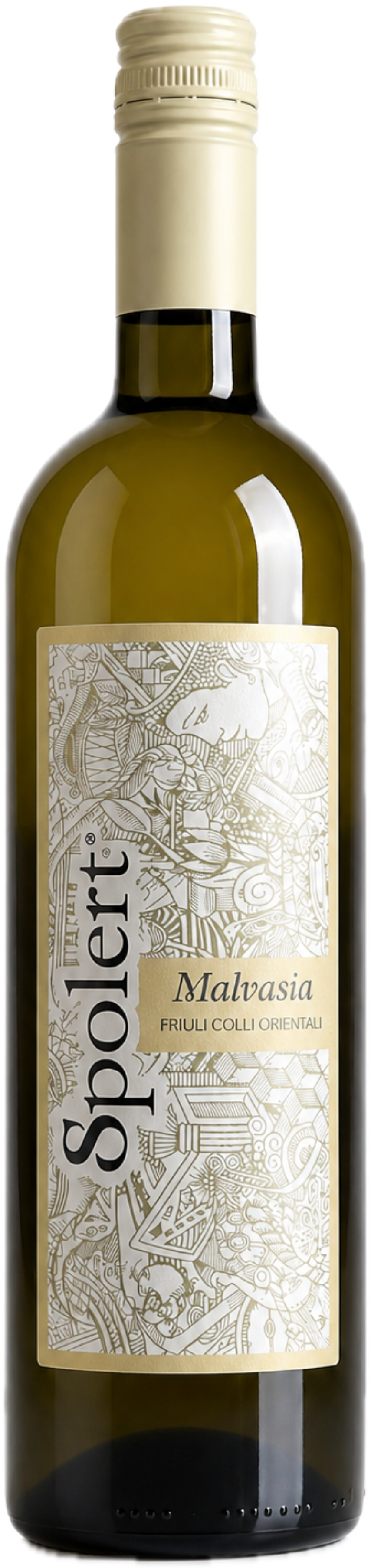
Similar search terms for Malvasia
Top-Angebote
Products related to Malvasia:
-
Malvasia Castelvecchio 2025Malvasia by Castelvecchio is a Friulian white wine, produced in the Karst area, which occupies a narrow strip of land between the gulf of Trieste and the first reliefs of the hinterland. The grapes come from the Malvasia Istriana vine, a particular clone of this ancient Mediterranean variety, with characteristics that are more fresh and savoury than aromatic. It is a white wine with a territorial, iodised and mineral profile, with fruity aromas and scents of Mediterranean scrub. Vinification in stainless steel tanks leaves the wine's aromatic bouquet intact, and it is particularly appreciated with the area's seafood dishes. The white Malvasia Castelvecchio is produced by a winery located in the still wild and unspoilt area of the Gorizia Karst, a few kilometres from the Slovenian border. This estate cultivates around 35 hectares of vineyards in an environment of rich biodiversity, with fruit and olive trees all around. In the vineyard, preference is given to the indigenous varieties of the area: Vitovska, Malvasia, Terrano and Refosco dal Peduncolo Rosso. The soils consist of limestone rock covered by a thin layer of red soil rich in iron minerals. The climate is always very breezy, thanks to the mild breezes from the Adriatic Sea and the cold Bora that blows strongly from the north-east. In these special conditions, the vines naturally express themselves with low yields and high quality grapes, which do not require any special interventions during vinification, allowing work in the cellar to be reduced to a minimum. Castelvecchio's Malvasia is produced with grapes from vines that are some thirty years old. After soft pressing of the grapes, fermentation takes place in temperature-controlled steel tanks. Before bottling, the wine rests for several months in steel tanks. The colour is a clear, brilliant straw yellow. On the nose it expresses aromas of aromatic herbs of the Mediterranean maquis, aromas of yellow fruit, light spicy nuances and hints of iodine. On the palate it has a smooth mouthfeel, with delicate fruit crossed by a clear mineral vein, which accompanies a savoury, refreshing finish.18,00 £*Shipping: 48,00 £Secure redirect to the provider
-
Malvasia Schiopetto 2024The Malvasia di Schiopetto is one of the great wines of Collio. The variety of Malvasia grown in Friuli, also known as Istrian, stands out within the large family of this ancient Greek-origin grape for its rich and intense profile, but less aromatic and soft compared to the Malvasia di Candia grown in other regions. The bouquet expresses mainly aromas of ripe yellow fruit and hints of aromatic herbs from the territory. On the palate, it is broad and enveloping, with beautiful persistence and a fresh finish, closing with saline and mineral notes typical of the terroir of Collio. The Malvasia wine comes from the vineyards of the Cru di Capriva, the original core of the Schiopetto estate, which also manages vineyards in the prized areas of Zegla, Pradis, and Oleis. The ancient Greek-origin grape has been present for centuries in Friuli and is now part of the historical varieties of the region. The splendid sunny exposures, protected by the Julian Alps from the cold northern winds and mitigated by the gentle breezes of the nearby Adriatic Sea, have proven perfect for a slow maturation of the22,00 £*Shipping: 48,00 £Secure redirect to the provider
-
Malvasia Skerk 2023Sandy Skerk produces its Malvasia in the Trieste Carso, a stony and wind-swept land that gives the wines a distinct personality. The variety grown in the Carso is Malvasia Istriana, less aromatic than the more well-known Malvasia di Candia. In this particular terroir, characterized by limestone soils, hot and windy summers, but tempered by marine breezes, the vine has found an ideal habitat to express itself at its best. In the Carso, it offers strongly territorial expressions, with a unique and original character. Skerk's work is focused on maximum respect for the natural balance of the vine and the raw material, always highlighting the characteristics of the grape and the territory. The Malvasia is born in vineyards cultivated on the stony soils of the Carso plateau, characterized by little red soil and limestone rock stones. The rows are battered by the Bora, the cold north-east wind, which helps keep the grapes always dry and healthy, allowing for agronomic management without the use of chemical principles, according to the dictatesof organic and biodynamic agriculture. The plants naturally produce with low yields and after the harvest, the grapes are taken to the cellar entirely carved into the limestone rock. Fermentation takes place in open wooden tanks, using only indigenous yeasts, and a maceration on the skins for about ten days. After the racking, the Malvasia di Skerk matures on the fine lees, still in wooden tanks, for at least a year before being bottled. The final result is a Malvasia with rich and intense varietal aromas, a child of the warmth of the Mediterranean, the briny wind, and the white limestone rock. A perfect synthesis between terroir and the skilled work of man, still conducted with artisanal care. The color is light yellow with golden reflections, typical of Orange Wine. The aromas are decisive and elegant, with fruity notes, citrus hints, balsamic scents, and medicinal herbs of the Mediterranean scrub. The sip is satisfying for aromatic intensity, with pleasant freshness and iodized sapidity. At the table, it finds the best pairings with fish menus ordelicate white meats.37,00 £*Shipping: 48,00 £Secure redirect to the provider
-
Malvasia Muzic 2025hours at a temperature of 15 degrees. The alcoholic fermentation takes place in steel containers, for a period of 8-10 days. The aging then proceeds, carried out in steel on fine lees for 8 months. The Malvasia of Muzic reveals itself, in the glass, with a bright and intense straw yellow color, which invites the eye. The olfactory spectrum tells of notes where fruit predominates, also expressed with exotic nuances, enriched by Mediterranean touches of aromatic herbs. On the palate, it is full-bodied, enveloping, with an elegant sip, characterized by decidedly refreshing savory notes. A label with which the winery achieves excellent quality standards, as can also be noted thanks to the excellent scores awarded to it by the main Italian sector guides.hours at a temperature of 15 degrees. The alcoholic fermentation takes place in steel containers, for a period of 8-10 days. The aging then proceeds, carried out in steel on fine lees for 8 months. The Malvasia of Muzic reveals itself, in the glass, with a bright and intense straw yellow color, which invites the eye. The olfactory spectrum tells of notes where fruit predominates, also expressed with exotic nuances, enriched by Mediterranean touches of aromatic herbs. On the palate, it is full-bodied, enveloping, with an elegant sip, characterized by decidedly refreshing savory notes. A label with which the winery achieves excellent quality standards, as can also be noted thanks to the excellent scores awarded to it by the main Italian sector guides.16,00 £*Shipping: 48,00 £Secure redirect to the provider


-
What is the difference between low culture and high culture in history?
Low culture refers to the cultural activities and products that are considered to be more common, popular, and easily accessible to the general public. This can include things like popular music, television shows, and mass-produced literature. On the other hand, high culture refers to the cultural activities and products that are considered to be more refined, sophisticated, and often associated with the elite or educated classes. This can include things like classical music, fine art, and literature that is considered to be more intellectually challenging. The distinction between low and high culture has been a source of debate and has evolved over time, but it generally reflects the social and class divisions within a society. **
-
What is better, product design or interior architecture?
The answer to whether product design or interior architecture is better ultimately depends on personal interests and career goals. Product design involves creating tangible objects that serve a specific function, while interior architecture focuses on designing interior spaces that enhance the user experience. Both fields offer unique opportunities for creativity and innovation, so it is important to consider which aligns more with your passions and strengths. Ultimately, the decision between product design and interior architecture should be based on individual preferences and career aspirations. **
-
How can one study architecture or interior design?
One can study architecture or interior design by enrolling in a formal education program such as a bachelor's or master's degree in architecture or interior design at a university or college. These programs typically cover design principles, building technology, history of architecture, and practical skills such as drafting and computer-aided design. Additionally, gaining practical experience through internships or apprenticeships with established architects or designers can provide valuable hands-on learning opportunities. Networking with professionals in the field and attending workshops, conferences, and exhibitions can also help in expanding one's knowledge and skills in architecture or interior design. **
-
How can one transition from interior design to architecture?
One can transition from interior design to architecture by pursuing further education and obtaining a degree in architecture. This will provide a deeper understanding of structural design, building systems, and construction methods. Additionally, gaining experience in architectural firms or working on architectural projects can help in making the transition. It is also important to develop a strong portfolio that showcases architectural design skills and knowledge. Networking with architects and seeking mentorship can also be beneficial in making the transition from interior design to architecture. **


What is the difference between interior design and architecture?
Interior design focuses on the aesthetic and functional aspects of the interior spaces within a building, including furniture, color schemes, and decor. It involves creating a cohesive and visually appealing environment that meets the needs and preferences of the occupants. On the other hand, architecture is the art and science of designing and constructing buildings and other physical structures. It encompasses the overall design, structural integrity, and functionality of the entire building, including the exterior and interior spaces. While interior design focuses on the interior environment, architecture encompasses the entire built environment. **
Should I study architecture with a master's in industrial design or just industrial design?
Studying architecture with a master's in industrial design can provide you with a unique and diverse skill set that combines the principles of both disciplines. This can open up more opportunities for you in the field of design, allowing you to work on a wider range of projects that require expertise in both architecture and industrial design. However, if your primary interest lies in industrial design, pursuing a master's in industrial design alone may be a more focused and efficient path for you. Consider your career goals and the specific skills and knowledge you want to acquire before making a decision. **
Top-Angebote
Products related to Malvasia:
-
Malvasia Meneghetti 2023The Malvazija from the Croatian Meneghetti estate is a label of remarkable aromatic intensity, a faithful expression of the Malvasia Istriana grape variety. We are in Bale, a municipality on the Croatian side of Istria, where the beautiful Meneghetti estate is dedicated to hospitality and the production of wine and oil. This area is dominated by Malvasia, although in recent years the interest of local vine growers in the more well-known international varieties has grown. Regardless, the plants here benefit from the special microclimate, a meeting point between the Mediterranean and continental climates.Meneghetti Malvazija originates from pure Malvasia Istriana grapes cultivated using sustainable practices on characteristic red soils, poor in organic substance but particularly rich in stones and mineral elements such as iron. Following the harvest, the grapes are transferred to the cellar where they are vinified in white by gentle pressing and subsequent alcoholic fermentation of the must in stainless steel tanks. The 6-month maturation period that precedes final bottling also takes place in stainless steel. The decision to use steel exclusively allows the character of the terroir and the vine to be preserved to the utmost, enhancing its freshness and minerality.Meneghetti's Malvazija has a straw-yellow colour with brilliant greenish highlights. The nose, clean and fragrant, offers intense fruity aromas of peach, apricot, green apple and pineapple, combined with evocative hints of Mediterranean herbs and sweet notes of acacia flowers. The palate reveals an excellent balance of warmth, softness and freshness, with a long savoury finish that invites new tastings. This Malvasia Istriana is the ideal accompaniment to rich seafood hors d'oeuvres or shellfish dishes.23,00 £*Shipping: 48,00 £Secure redirect to the provider
-
Malvasia Castelvecchio 2025Malvasia by Castelvecchio is a Friulian white wine, produced in the Karst area, which occupies a narrow strip of land between the gulf of Trieste and the first reliefs of the hinterland. The grapes come from the Malvasia Istriana vine, a particular clone of this ancient Mediterranean variety, with characteristics that are more fresh and savoury than aromatic. It is a white wine with a territorial, iodised and mineral profile, with fruity aromas and scents of Mediterranean scrub. Vinification in stainless steel tanks leaves the wine's aromatic bouquet intact, and it is particularly appreciated with the area's seafood dishes. The white Malvasia Castelvecchio is produced by a winery located in the still wild and unspoilt area of the Gorizia Karst, a few kilometres from the Slovenian border. This estate cultivates around 35 hectares of vineyards in an environment of rich biodiversity, with fruit and olive trees all around. In the vineyard, preference is given to the indigenous varieties of the area: Vitovska, Malvasia, Terrano and Refosco dal Peduncolo Rosso. The soils consist of limestone rock covered by a thin layer of red soil rich in iron minerals. The climate is always very breezy, thanks to the mild breezes from the Adriatic Sea and the cold Bora that blows strongly from the north-east. In these special conditions, the vines naturally express themselves with low yields and high quality grapes, which do not require any special interventions during vinification, allowing work in the cellar to be reduced to a minimum. Castelvecchio's Malvasia is produced with grapes from vines that are some thirty years old. After soft pressing of the grapes, fermentation takes place in temperature-controlled steel tanks. Before bottling, the wine rests for several months in steel tanks. The colour is a clear, brilliant straw yellow. On the nose it expresses aromas of aromatic herbs of the Mediterranean maquis, aromas of yellow fruit, light spicy nuances and hints of iodine. On the palate it has a smooth mouthfeel, with delicate fruit crossed by a clear mineral vein, which accompanies a savoury, refreshing finish.18,00 £*Shipping: 48,00 £Secure redirect to the provider
-
Malvasia Schiopetto 2024The Malvasia di Schiopetto is one of the great wines of Collio. The variety of Malvasia grown in Friuli, also known as Istrian, stands out within the large family of this ancient Greek-origin grape for its rich and intense profile, but less aromatic and soft compared to the Malvasia di Candia grown in other regions. The bouquet expresses mainly aromas of ripe yellow fruit and hints of aromatic herbs from the territory. On the palate, it is broad and enveloping, with beautiful persistence and a fresh finish, closing with saline and mineral notes typical of the terroir of Collio. The Malvasia wine comes from the vineyards of the Cru di Capriva, the original core of the Schiopetto estate, which also manages vineyards in the prized areas of Zegla, Pradis, and Oleis. The ancient Greek-origin grape has been present for centuries in Friuli and is now part of the historical varieties of the region. The splendid sunny exposures, protected by the Julian Alps from the cold northern winds and mitigated by the gentle breezes of the nearby Adriatic Sea, have proven perfect for a slow maturation of the22,00 £*Shipping: 48,00 £Secure redirect to the provider
-
What does Cuban cuisine and eating culture look like?
Cuban cuisine is a fusion of Spanish, African, and Caribbean influences, resulting in a diverse and flavorful culinary tradition. Common ingredients include rice, beans, plantains, and various meats such as pork and chicken. Popular dishes include ropa vieja (shredded beef), arroz con pollo (chicken with rice), and lechón asado (roast pork). Eating culture in Cuba is centered around family and community, with meals often being a social and communal experience. It is common for Cubans to share meals with extended family and friends, and food is an important part of social gatherings and celebrations. **
-
What are electricity and high culture history?
Electricity history refers to the development and use of electricity as a form of energy, including the discovery of electricity, the invention of electric devices, and the establishment of electrical systems. High culture history, on the other hand, refers to the history of cultural and artistic achievements that are considered to be of high quality and sophistication, such as classical music, literature, fine arts, and theater. Both electricity and high culture history have evolved over time, shaping the way we live and appreciate the world around us. **
-
What is the difference between low culture and high culture in history?
Low culture refers to the cultural activities and products that are considered to be more common, popular, and easily accessible to the general public. This can include things like popular music, television shows, and mass-produced literature. On the other hand, high culture refers to the cultural activities and products that are considered to be more refined, sophisticated, and often associated with the elite or educated classes. This can include things like classical music, fine art, and literature that is considered to be more intellectually challenging. The distinction between low and high culture has been a source of debate and has evolved over time, but it generally reflects the social and class divisions within a society. **
-
What is better, product design or interior architecture?
The answer to whether product design or interior architecture is better ultimately depends on personal interests and career goals. Product design involves creating tangible objects that serve a specific function, while interior architecture focuses on designing interior spaces that enhance the user experience. Both fields offer unique opportunities for creativity and innovation, so it is important to consider which aligns more with your passions and strengths. Ultimately, the decision between product design and interior architecture should be based on individual preferences and career aspirations. **
Similar search terms for Malvasia
-
Malvasia Skerk 2023Sandy Skerk produces its Malvasia in the Trieste Carso, a stony and wind-swept land that gives the wines a distinct personality. The variety grown in the Carso is Malvasia Istriana, less aromatic than the more well-known Malvasia di Candia. In this particular terroir, characterized by limestone soils, hot and windy summers, but tempered by marine breezes, the vine has found an ideal habitat to express itself at its best. In the Carso, it offers strongly territorial expressions, with a unique and original character. Skerk's work is focused on maximum respect for the natural balance of the vine and the raw material, always highlighting the characteristics of the grape and the territory. The Malvasia is born in vineyards cultivated on the stony soils of the Carso plateau, characterized by little red soil and limestone rock stones. The rows are battered by the Bora, the cold north-east wind, which helps keep the grapes always dry and healthy, allowing for agronomic management without the use of chemical principles, according to the dictatesof organic and biodynamic agriculture. The plants naturally produce with low yields and after the harvest, the grapes are taken to the cellar entirely carved into the limestone rock. Fermentation takes place in open wooden tanks, using only indigenous yeasts, and a maceration on the skins for about ten days. After the racking, the Malvasia di Skerk matures on the fine lees, still in wooden tanks, for at least a year before being bottled. The final result is a Malvasia with rich and intense varietal aromas, a child of the warmth of the Mediterranean, the briny wind, and the white limestone rock. A perfect synthesis between terroir and the skilled work of man, still conducted with artisanal care. The color is light yellow with golden reflections, typical of Orange Wine. The aromas are decisive and elegant, with fruity notes, citrus hints, balsamic scents, and medicinal herbs of the Mediterranean scrub. The sip is satisfying for aromatic intensity, with pleasant freshness and iodized sapidity. At the table, it finds the best pairings with fish menus ordelicate white meats.37,00 £*Shipping: 48,00 £Secure redirect to the provider
-
Malvasia Muzic 2025hours at a temperature of 15 degrees. The alcoholic fermentation takes place in steel containers, for a period of 8-10 days. The aging then proceeds, carried out in steel on fine lees for 8 months. The Malvasia of Muzic reveals itself, in the glass, with a bright and intense straw yellow color, which invites the eye. The olfactory spectrum tells of notes where fruit predominates, also expressed with exotic nuances, enriched by Mediterranean touches of aromatic herbs. On the palate, it is full-bodied, enveloping, with an elegant sip, characterized by decidedly refreshing savory notes. A label with which the winery achieves excellent quality standards, as can also be noted thanks to the excellent scores awarded to it by the main Italian sector guides.hours at a temperature of 15 degrees. The alcoholic fermentation takes place in steel containers, for a period of 8-10 days. The aging then proceeds, carried out in steel on fine lees for 8 months. The Malvasia of Muzic reveals itself, in the glass, with a bright and intense straw yellow color, which invites the eye. The olfactory spectrum tells of notes where fruit predominates, also expressed with exotic nuances, enriched by Mediterranean touches of aromatic herbs. On the palate, it is full-bodied, enveloping, with an elegant sip, characterized by decidedly refreshing savory notes. A label with which the winery achieves excellent quality standards, as can also be noted thanks to the excellent scores awarded to it by the main Italian sector guides.16,00 £*Shipping: 48,00 £Secure redirect to the provider
-
Malvasia Primosic 2024Quando ci troviamo di fronte alla Malvasia Istriana di Primosic è come se stessimo scorrendo le pagine di un libro di storia. Da un lato infatti abbiamo un vitigno che si potrebbe definire come la regina della zona, mentre dall’altro incontriamo i protagonisti della tradizione vitivinicola di questo territorio. Considerando che la prima bottiglia del Consorzio Collio porta nell’etichetta il nome Primosic (1967), sta a significare che ci troviamo di fronte ad una vera e propria filosofia di produrre vino. Un percorso enologico che dura da quattro generazioni e che ha sempre creduto ed investito in un territorio e nei suoi vini. La Malvasia Primosic nasce da vigneti che affondano le proprie radici in un terreno con notevoli dosi di ghiaia e calcare. I grappoli di grandi dimensioni, caratteristica del varietale, una volta raccolti manualmente vengono portati in cantina e vinificati, come da tradizione, in bianco. Dalla fermentazione all’affinamento, l’intero processo produttivo di questa espressione di Malvasia avviene in contenitori di acciaio, il tutto per poter salvaguardare ed esaltare lo spettro aromatico e varietale di questo sensuale vitigno. La Malvasia Primosic si colora di un luminoso giallo paglierino ed esprime già a primo sguardo tutta la sua vitalità ed esuberanza. Vigorose le note di pesca, albicocca e ananas, mostra poi tutta la sua eleganza e finezza con un ventaglio aromatico floreale che ricorda il geranio e la violetta. Al primo sorso, le note fruttate si ripresentano timide ma definite, chiudendo con un finale che ricorda gli agrumi. Avendo a disposizione un bicchiere di tale complessità e freschezza, bisognerebbe affiancargli un piatto altrettanto strutturato, come ad esempio, un saltimbocca alla romana. Nonostante tutto rimane estremamente godibile anche se bevuto in solitaria o in momenti meditativi.19,00 £*Shipping: 48,00 £Secure redirect to the provider
-
Malvasia Skerlj 2023The Malvasia di Skerlj is a white wine made with skin contact, originating from the wonderful territory of the Trieste Karst. On this white limestone plateau, buffeted by the bora wind and overlooking the blue sea of the Gulf of Trieste, Matej Skerlj cultivates the vines of Malvasia Istriana, a particular non-aromatic clone of this ancient Greek-origin grape variety. It is a wine of character that, thanks to the contact with the skins, offers very intense and complex aromas, ranging from Mediterranean scrub herbs to fruit, with iodized and marine memories. It is a unique white that manages to narrate the stony and austere landscape of this slice of the Mediterranean nestled in Central Europe. The Malvasia Istriana Skerlj is crafted by a young and talented winemaker, who has established himself as one of the most interesting personalities in the Karst landscape. Matej and Kristina Skerlj passionately manage the small family estate, producing artisanal high-quality wines that represent one of the best interpretations of the land of Carso. The vines sink their roots into rocky and poor soils, which naturally limit production. The grapes are vinified following the natural transformation of the must into wine, with minimal oenological intervention and always aiming to enhance the varietal notes and the mineral and stony characteristics of the lands of the Karst. The orange wine Malvasia di Skerlj is born from the typical soils of the Karst area, characterized by a limestone bedrock, often exposed, covered by a thin layer of red soil rich in iron minerals. A difficult and laborious viticulture, which however yields wines with a unique personality. At the end of the harvest, the grapes ferment in wood with indigenous yeasts and skin maceration. It matures for 24 months in wooden barrels and is bottled without any filtration. In the glass, it presents an intense golden yellow color with slight amber reflections. The bouquet recalls aromas of citrus zest, aromatic herbs from the Mediterranean scrub, yellow fruit, ripe apricot, exotic fruit, and soft hints of orange honey. On the palate, it is intense, with aromas that are multifaceted and rich, anticipating a persistent, fresh, and savory finish.33,00 £*Shipping: 48,00 £Secure redirect to the provider
-
How can one study architecture or interior design?
One can study architecture or interior design by enrolling in a formal education program such as a bachelor's or master's degree in architecture or interior design at a university or college. These programs typically cover design principles, building technology, history of architecture, and practical skills such as drafting and computer-aided design. Additionally, gaining practical experience through internships or apprenticeships with established architects or designers can provide valuable hands-on learning opportunities. Networking with professionals in the field and attending workshops, conferences, and exhibitions can also help in expanding one's knowledge and skills in architecture or interior design. **
-
How can one transition from interior design to architecture?
One can transition from interior design to architecture by pursuing further education and obtaining a degree in architecture. This will provide a deeper understanding of structural design, building systems, and construction methods. Additionally, gaining experience in architectural firms or working on architectural projects can help in making the transition. It is also important to develop a strong portfolio that showcases architectural design skills and knowledge. Networking with architects and seeking mentorship can also be beneficial in making the transition from interior design to architecture. **
-
What is the difference between interior design and architecture?
Interior design focuses on the aesthetic and functional aspects of the interior spaces within a building, including furniture, color schemes, and decor. It involves creating a cohesive and visually appealing environment that meets the needs and preferences of the occupants. On the other hand, architecture is the art and science of designing and constructing buildings and other physical structures. It encompasses the overall design, structural integrity, and functionality of the entire building, including the exterior and interior spaces. While interior design focuses on the interior environment, architecture encompasses the entire built environment. **
-
Should I study architecture with a master's in industrial design or just industrial design?
Studying architecture with a master's in industrial design can provide you with a unique and diverse skill set that combines the principles of both disciplines. This can open up more opportunities for you in the field of design, allowing you to work on a wider range of projects that require expertise in both architecture and industrial design. However, if your primary interest lies in industrial design, pursuing a master's in industrial design alone may be a more focused and efficient path for you. Consider your career goals and the specific skills and knowledge you want to acquire before making a decision. **
* All prices are inclusive of VAT and, if applicable, plus shipping costs. The offer information is based on the details provided by the respective shop and is updated through automated processes. Real-time updates do not occur, so deviations can occur in individual cases. ** Note: Parts of this content were created by AI.